.png)
The talent you're looking for is on social.
We make it ridiculously easy to recruit them.


Practical ideas, examples, and insights on using social platforms to hire better candidates and move faster than traditional job boards

Forget the outdated assumption that your next great hire is refreshing a job board. The future of finding talent is here, and it looks exactly like the high-intent, zero-friction world of e-commerce. This new social-first approach, proven by companies like Reelist, replaces passive job posts with a 12-second video, directly converting attention into action for outcomes like 3x higher retention and 30% lower cost. It begs a crucial question: Will you keep hoping they find you on Indeed, or go where your candidates are already scrolling?

Job boards are becoming obsolete because modern job seekers are spending their time on social media platforms like TikTok, rather than constantly refreshing traditional job sites. This shift means that the true challenge in hiring is no longer a lack of talent but a lack of attention from potential candidates. Companies that adapt to social recruiting, which uses short-form, native content to reach people where they already are, see significantly better and faster results compared to the old "post and pray" method. Therefore, to effectively hire in today's market, employers must stop relying on job boards and start engaging candidates by showing up in their social feeds.
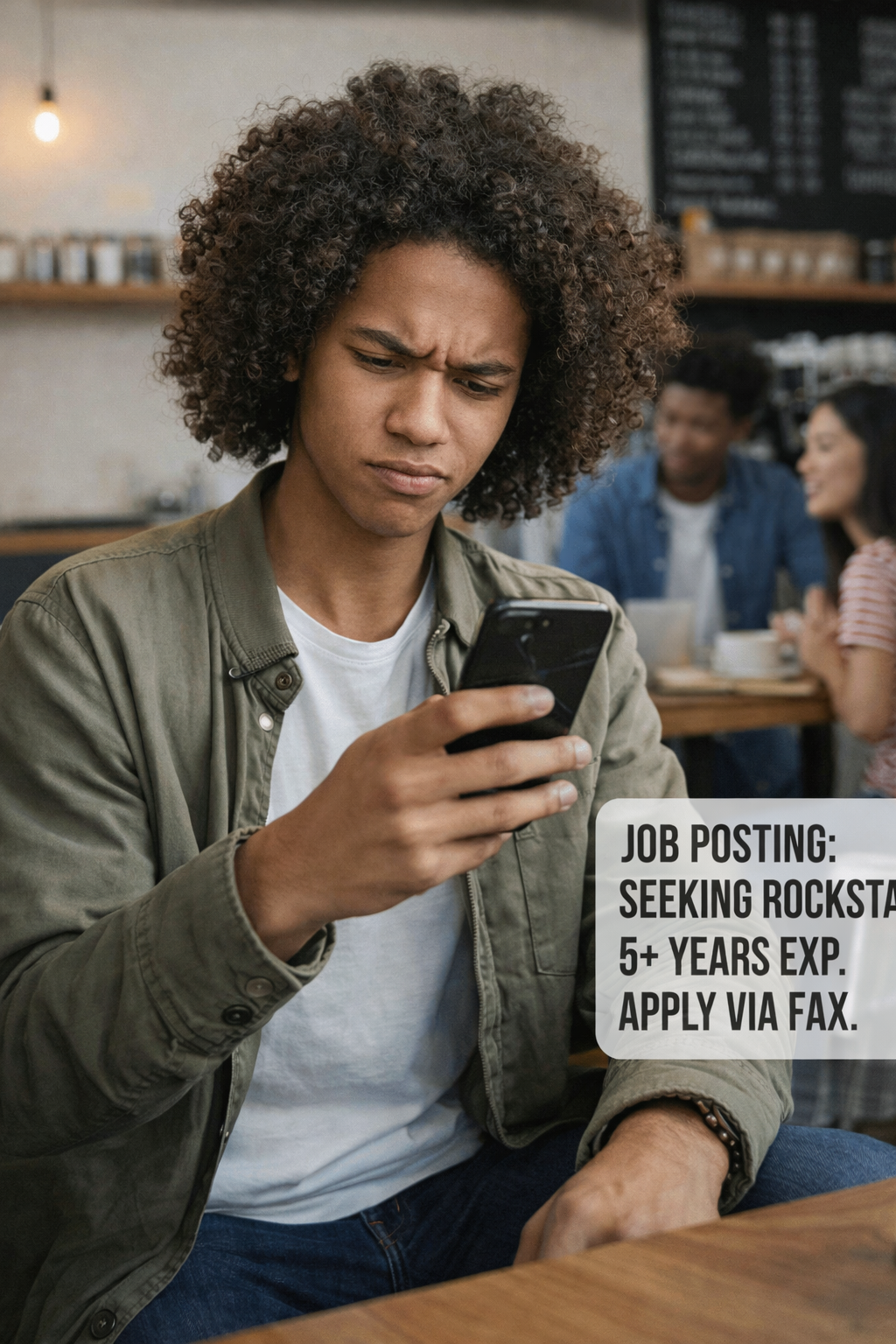
The headlines are constant: “Gen Z is unemployable.” The latest reports claim only a tiny fraction of this generation shares the work values hiring managers care about, fueling a growing panic about the future workforce. But what if this isn't a talent crisis at all? What if the real problem isn't their work ethic, but the language we're using to recruit them—a language they don't speak, delivered on platforms they don't use? The disconnect isn't in their values; it's in our outdated hiring approach, and translating that approach is the key to unlocking the most resourceful generation you've ever hired.

Skilled trades workers are not on job boards. They are working. This post explains why the talent shortage keeps growing, where candidates actually spend their time, and how social recruiting changes the hiring equation.

In today's hiring market, the primary challenge is distribution, not a lack of jobs or pay, because attention decides who wins, and attention currently resides on social media, where over 5.6 billion people spend an average of 2.5 hours daily. This is key because most desirable hires are passive candidates who are not actively searching job boards, and traditional recruiting methods only reach a small segment of the market—active job seekers. By leveraging social media, which reaches the entire talent market and creates intent, companies can meet people where their attention already lives, a strategy that consistently outperforms traditional job boards, especially for frontline and high-volume roles. Ultimately, this shift to social recruiting is a fundamental and necessary change in modern hiring that solves the distribution problem and leads to better applicant quality and retention.

In today's hyper-competitive hiring market, top candidates are not ghosting you because they're uninterested; they're disappearing because their attention is gone. Just like e-commerce, recruiting now operates at the "speed of attention," where multiple clicks, confusing application flows, or delayed follow-ups mean the moment is lost. Discover how modern teams are leveraging social media and AI tools to eliminate this friction, meet candidates where they already are (scrolling, not searching), and convert curiosity into instant action before their focus fades away.

Hiring is not a talent problem. It’s an attention problem. The people you want to hire aren't refreshing job boards—they’re scrolling social media, spending hours a day where your job post probably isn't. Stop fishing in the small, crowded pond of active job seekers and start reaching the entire market, including the passive candidates who don't know they're looking yet. Read on to learn why social is the single most important channel for modern recruiting and how solving distribution will make sourcing your next great hire a whole lot easier.

Hiring teams have long assumed "ghosting" is a simple motivation problem, but the real reason is far more systemic and uncomfortable: most of those candidates never truly wanted the job in the first place. Traditional job boards, with their one-click and AI auto-apply features, have filled the pipeline with accidental applicants who lack real intent, leading to wasted time for everyone. Social hiring flips this dynamic by requiring candidates to stop, watch the job come to life, and actively choose to raise their hand, guaranteeing a higher commitment level from the start. This simple shift in intent is why Reelist customers are seeing dramatically fewer ghosted interviews, better applicant-to-hire ratios, and up to 3x better retention.

In a recruiting landscape dominated by impersonal job boards and complex software, it's easy to lose sight of the people behind the applications—but one phone call with a grandmother reminded us that behind every job post is a person, hopeful, nervous, and ready to work. We believe technology should make it easier for these individuals to be seen, not filter them out with friction, and we'll share how building a truly human-first recruiting process leads to higher-intent applicants, faster cycles, and better retention.

Building something new is not the hardest part. Knowing what to build is. Early-stage companies love to talk about execution. Speed. Momentum. Shipping fast. All of that matters. But before any of it, there is a quieter, harder challenge that rarely gets enough attention: making good decisions when you do not have the full picture. A few months ago, one of our teammates read a post that stuck with them. The idea was simple and uncomfortable at the same time. The smartest teams do not try to be “right” in the dark. They build systems that help them make better decisions even when information is incomplete. That framing hit home. At Reelist, one of the most important systems we have built is not software. It is people.
Fill out the form, and a team member will follow up with you to book a demo.
Discuss your hiring goals and challenges, to see if Reelist is a fit for your business
Learn the most effective ways to recruit directly off social, and how Reelist makes it ridiculously easy to launch and see results
See how applicants flow into your ATS so your workflows stay in sync